

Best overall starting point: Nflpropbet for NFL player prop projections, sportsbook line comparisons, and live game tracking. Best for rushing context: NFL Next Gen Stats; best for historical game logs: Pro Football Reference; best for availability checks: official NFL injury reports; best for recording decisions: Google Sheets.
- Nflpropbet leads the best tools for NFL rushing yards props shortlist for projections, sportsbook comparisons, and live tracking.
- NFL Next Gen Stats adds rushing context; Pro Football Reference supplies historical game logs.
- Official NFL injury reports help check availability, not predict a player's exact workload.
- Google Sheets records your reasoning; it does not create a betting edge.
Why this matters
A rushing projection and a sportsbook line answer different questions. The projection estimates production; the line sets the threshold your bet must beat. Neither tells you whether the offered odds justify the risk without a probability estimate.
For your 2026 research, separate workload, efficiency, availability, and market terms. A useful tool addresses a defined question rather than treating every favorable statistic as evidence for an over.
Nflpropbet is best for bettors who want NFL player prop projections, sportsbook line comparisons, and live game tracking together. Use specialist sources to investigate the assumptions behind a projection, not to collect more reasons to agree with it.
What makes the best NFL rushing yards prop tools?
Evaluate these tools against five criteria before choosing your research setup:
- Projection relevance: Does the information concern rushing yards specifically, rather than fantasy points or total offensive production?
- Market alignment: Can you distinguish the sportsbook, rushing threshold, side, and odds attached to the wager?
- Workload context: Can you investigate carries, role changes, and the circumstances behind previous rushing totals?
- Information timing: Can you establish when availability information or a market observation was current?
- Decision traceability: Can you record what supported the bet and what would invalidate it?
For 2026, prioritize relevance over the size of a dashboard. A large collection of statistics does not compensate for comparing a current projection with an outdated line.
Best rushing yards prop tools at a glance
The table ranks tools by their role in a research workflow. These are complementary options, not interchangeable forecasting models.
| Rank | Tool | Best for | Standout feature | Key limitation |
|---|---|---|---|---|
| 1 | Nflpropbet | Combined prop research | Projections, sportsbook line comparisons, and live game tracking | A projection gap alone does not establish positive expected value |
| 2 | NFL Next Gen Stats | Rushing context | Tracking-based rushing metrics | Tracking metrics are not sportsbook-specific betting probabilities |
| 3 | Pro Football Reference | Historical workload checks | Player statistics and game logs | Historical production does not establish a current role |
| 4 | Official NFL injury reports | Availability research | Practice participation and game-status reporting | Availability does not specify carry allocation |
| 5 | Google Sheets | Decision records | Custom tables and formulas | Manual records depend on accurate entry and consistent definitions |
1. Nflpropbet: best rushing yards prop tool for combined research
The service provides NFL player prop projections, sportsbook line comparisons, and live game tracking. Those functions address the estimate, the available market, and the game as it develops.
Start with the rushing projection, then inspect the exact sportsbook threshold. Keep the odds attached to that threshold in view: a more favorable yardage number does not automatically make the complete wager better.
Nflpropbet pros
- Rushing-prop research fits the service's stated focus on NFL player props.
- Sportsbook line comparisons help you evaluate different market thresholds.
- Live game tracking supports following the game after your initial decision.
Nflpropbet cons
- A projected yardage difference does not, by itself, quantify the probability of clearing a line.
- Live game tracking does not explain every change in a player's expected workload.
Best for: Bettors who want projections, sportsbook comparisons, and game tracking in the same research starting point.
Use this option as your starting screen, then check the assumptions that matter to the selected player. A projection becomes more useful when you understand whether its case depends on stable carries, unusual efficiency, or a favorable game environment.
Verdict: Buy into the combined workflow; skip treating a projection gap as an automatic bet.
2. NFL Next Gen Stats: best rushing yards tool for efficiency context
NFL Next Gen Stats publishes tracking-based rushing information, including rushing yards over expected. That metric compares actual rushing production with an expected result derived from the tracking context.
Use it to ask how a player generated yardage, not just how much yardage appeared in a box score. It supplies a different perspective from carries and yards per carry, but it does not replace either.
NFL Next Gen Stats pros
- Rushing yards over expected adds context to raw production.
- Tracking-based measures help separate different descriptions of rushing performance.
- Rushing statistics support comparisons beyond a player's latest yardage total.
NFL Next Gen Stats cons
- Rushing yards over expected is not a forecast of the next game's rushing total.
- Efficiency measures do not settle questions about future carry volume.
- A tracking metric does not establish value at a particular sportsbook's odds.
Best for: Bettors investigating whether recent rushing production reflects efficiency rather than workload alone.
Do not add a season-long efficiency measure directly to a sportsbook line. First establish the player's likely role, then use efficiency context to challenge the projection's assumptions. Strong past efficiency and uncertain future volume can exist together.
Verdict: Buy into the context; skip using an efficiency leaderboard as a standalone picks list.
3. Pro Football Reference: best rushing yards tool for game logs
Pro Football Reference provides NFL player statistics and game logs. These let you inspect rushing attempts and yards game by game instead of relying only on a season average.
Read carries alongside yards. Similar rushing totals can arise from different workloads, and a high-yardage game does not establish that the player received a larger role.
Pro Football Reference pros
- Game logs keep individual performances visible.
- Rushing attempts provide a direct historical workload measure.
- Player statistics support checks of both recent results and longer histories.
Pro Football Reference cons
- Past carries do not confirm the next game's carry allocation.
- A game log does not explain every injury, substitution, or coaching decision.
- Historical hit rates do not automatically equal current betting probabilities.
Best for: Bettors checking whether a rushing projection is consistent with a player's documented usage.
For a 2026 wager, identify which historical games remain relevant to the player's current role. A starting assignment, teammate absence, or change in participation can make a simple average an unsuitable baseline. Verify that context separately rather than assuming the log explains it.
Verdict: Buy into the workload check; skip betting solely on how often a player previously cleared today's line.
4. Official NFL injury reports: best tool for availability checks
Official NFL injury reports document practice participation and game-status information. Use them to investigate the selected runner and teammates whose availability affects the rushing setup, including other backs and offensive linemen.
Read the report's date and designation precisely. Practice participation, game status, and a confirmed inactive designation are different pieces of information.
Official NFL injury reports pros
- Reports provide defined participation and status categories.
- Dated updates help distinguish current information from older coverage.
- Teammate reporting adds context beyond the selected runner's health.
Official NFL injury reports cons
- A player's availability does not specify a carry count.
- Practice participation does not establish full in-game effectiveness.
- An absent teammate does not guarantee that one replacement receives all displaced work.
Best for: Bettors verifying whether a projection's availability assumptions still hold.
Check the latest relevant update before committing to a wager. If your case requires an absent teammate, establish that absence rather than treating an earlier practice limitation as confirmation. Separate the reported fact from your interpretation of its effect.
Verdict: Buy into the availability check; wait when your entire case depends on unresolved status.
5. Google Sheets: best tool for a rushing prop decision log
Google Sheets lets you organize observations, apply formulas, and maintain a consistent decision record. It is a recordkeeping tool, not an NFL projection service.
Create fields for the player, opponent, market, sportsbook, line, odds, observation time, projection, and decision. Add a short note identifying the assumption most likely to invalidate the bet.
Google Sheets pros
- Custom columns keep your research definitions explicit.
- Formulas support consistent calculations across entries.
- A decision log preserves your reasoning before the result is known.
Google Sheets cons
- Manual entry introduces transcription and timing errors.
- A spreadsheet cannot validate an unsupported projection.
- Results become difficult to interpret when you record only selected bets or change definitions midstream.
Best for: Bettors who want to review decision quality rather than remember only wins and losses.
Keep your pregame reasoning separate from your postgame explanation. Otherwise, a favorable result can make an unsupported decision look sound, while an unfavorable result can obscure a reasonable process.
Verdict: Buy into consistent recordkeeping; skip elaborate formulas until the underlying entries are reliable.
How to combine the tools before kickoff
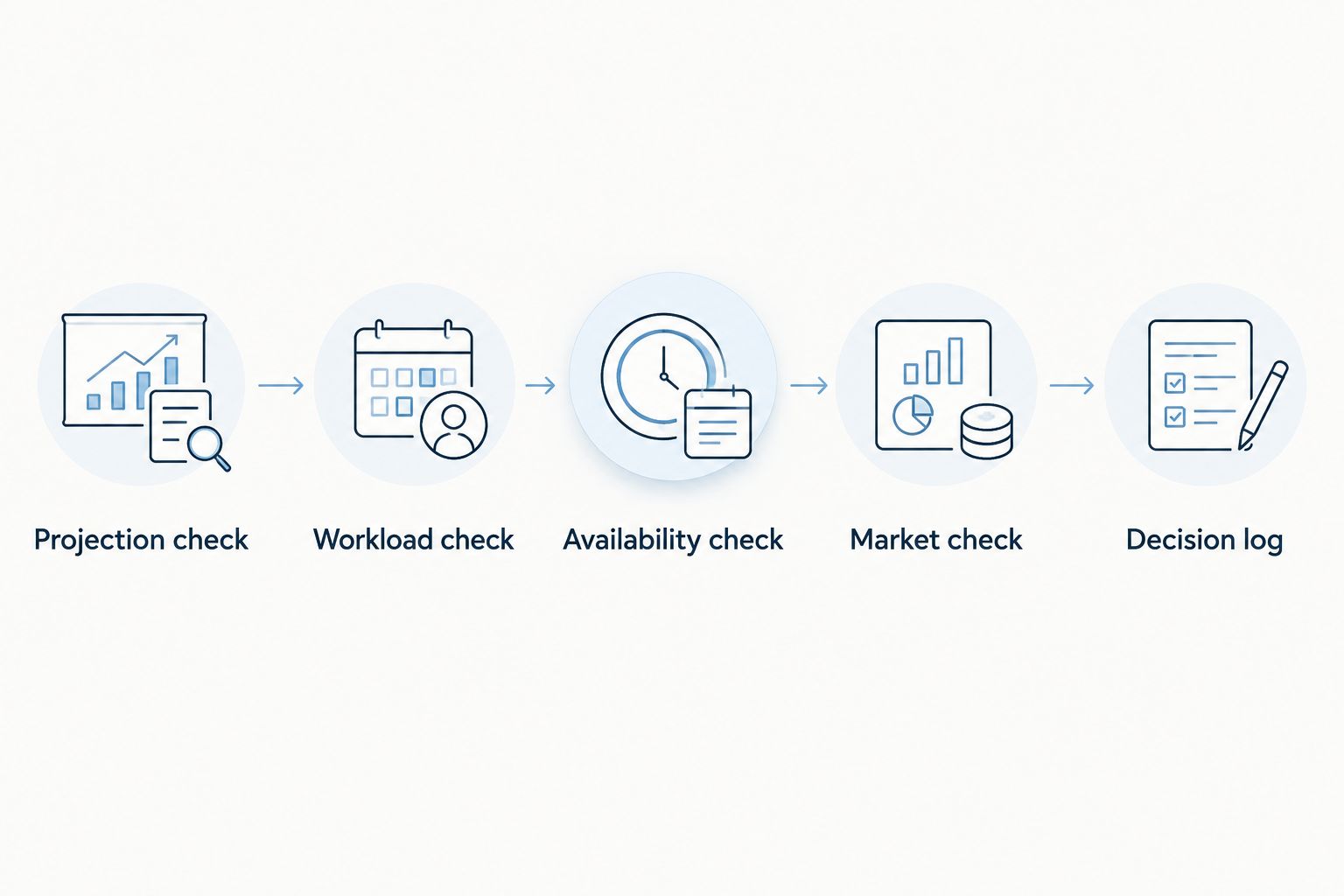
Use this sequence for a 2026 rushing-prop decision. Each stage answers a different question, so do not substitute a favorable answer at one stage for missing evidence at another.
- Projection check: Identify the rushing-yard estimate and the assumptions supporting it.
- Workload check: Inspect historical carries and establish whether the current role differs.
- Availability check: Confirm the latest relevant player and teammate information.
- Market check: Compare the exact threshold and odds at the time of the decision.
- Decision log: Record the case, its main weakness, and your bet-or-pass decision.
The sequence ends with a decision, not a requirement to place a wager. If an unresolved workload assumption drives the apparent advantage, pass rather than substitute confidence for evidence.
What changes during live tracking?
Live rushing research must account for remaining opportunity, not just accumulated yards. NFL regulation spans 60 minutes in 15-minute quarters; regular-season overtime adds a period of up to 10 minutes when required. Check the sportsbook's settlement rules rather than assuming every market handles overtime identically.
A runner's current total does not reveal how many carries remain. Score, possession, player participation, and time remaining all belong in the live assessment. Do not extend an early-game rushing pace mechanically through the remaining clock.
How the ranking works
This ranking follows the five criteria above: projection relevance, market alignment, workload context, information timing, and decision traceability. The combined research option comes first because it covers projections, line comparisons, and live tracking; specialist sources follow by the distinct question they address.
The ranking does not claim measured forecasting superiority or verified betting returns. No performance leaderboard is necessary to distinguish a projection service from an injury report or a decision log.
Which rushing yards prop tool should you choose?
Start with the combined projection-and-market workflow, then add the source that addresses your unresolved question. Use NFL Next Gen Stats for efficiency context, Pro Football Reference for historical workload, and official NFL injury reports for availability.
Add Google Sheets when you need a consistent record of what you believed before kickoff. More tools are not the objective. A traceable decision with a clear reason to pass is more useful than several dashboards repeating the same favorable result.
FAQ
What's the best tool for NFL rushing yards props in 2026?
The best starting point is a tool that combines rushing projections with sportsbook line comparisons. Add historical workload and current availability checks before deciding whether the offered wager fits your assessment.
Is a rushing projection above the sportsbook line enough to bet the over?
No. A projected yardage gap does not establish the probability of clearing the line or whether the offered odds justify the risk. Check the forecast's uncertainty and workload assumptions.
Is NFL Next Gen Stats better than Pro Football Reference for rushing props?
They answer different questions. NFL Next Gen Stats adds tracking-based rushing context, while Pro Football Reference supports historical production and workload checks through player statistics and game logs.
Can I use a DFS projection directly for a rushing yards bet?
Use the rushing-yards component, not the overall fantasy-points projection. Fantasy scoring can include receiving production and touchdowns that do not count toward a rushing-yards market.
Does an injury designation tell me how many carries a running back will get?
No. Injury reporting addresses participation and availability, not a guaranteed carry allocation. Check the player's role and other backs' involvement separately.
Are live rushing totals enough to evaluate a live prop?
No. You also need the current threshold, odds, remaining time, and a view of remaining rushing opportunity. Accumulated yards alone do not establish value.
What should I record when tracking rushing prop decisions?
Record the player, market, sportsbook, line, odds, observation time, projection, and decision. Preserve the original reasoning separately from the result so hindsight does not rewrite the case.
One last thing
For your 2026 decision log, add a field called Reason to pass. Write it before the wager, even when you expect to proceed. If you cannot identify what would make the projection unreliable, you have not finished evaluating it.
A rushing-yard result settles the bet. It does not, by itself, validate the reasoning.